Early 2026
The first test
I had wanted to make a mirror that doesn't reflect people for a long time. In early 2026, I began testing the idea through vibe coding. It was uncanny to see the room looking ordinary, with my own reflection missing.


Unsilvered is a body of work about being recorded without being reflected back. Each work builds a different system for a person to pass through, and each one takes that person in without returning them the way a mirror would. How it does that, and what it asks of them along the way, changes from one work to the next.
2026. Interactive AI installation.
Three stools sit in front of a projection of the room. When you move a stool, its digital counterpart moves too, but you don't appear in the image. You can see what you are doing to the room without seeing yourself doing it.
The system has to find you before it can leave you out.
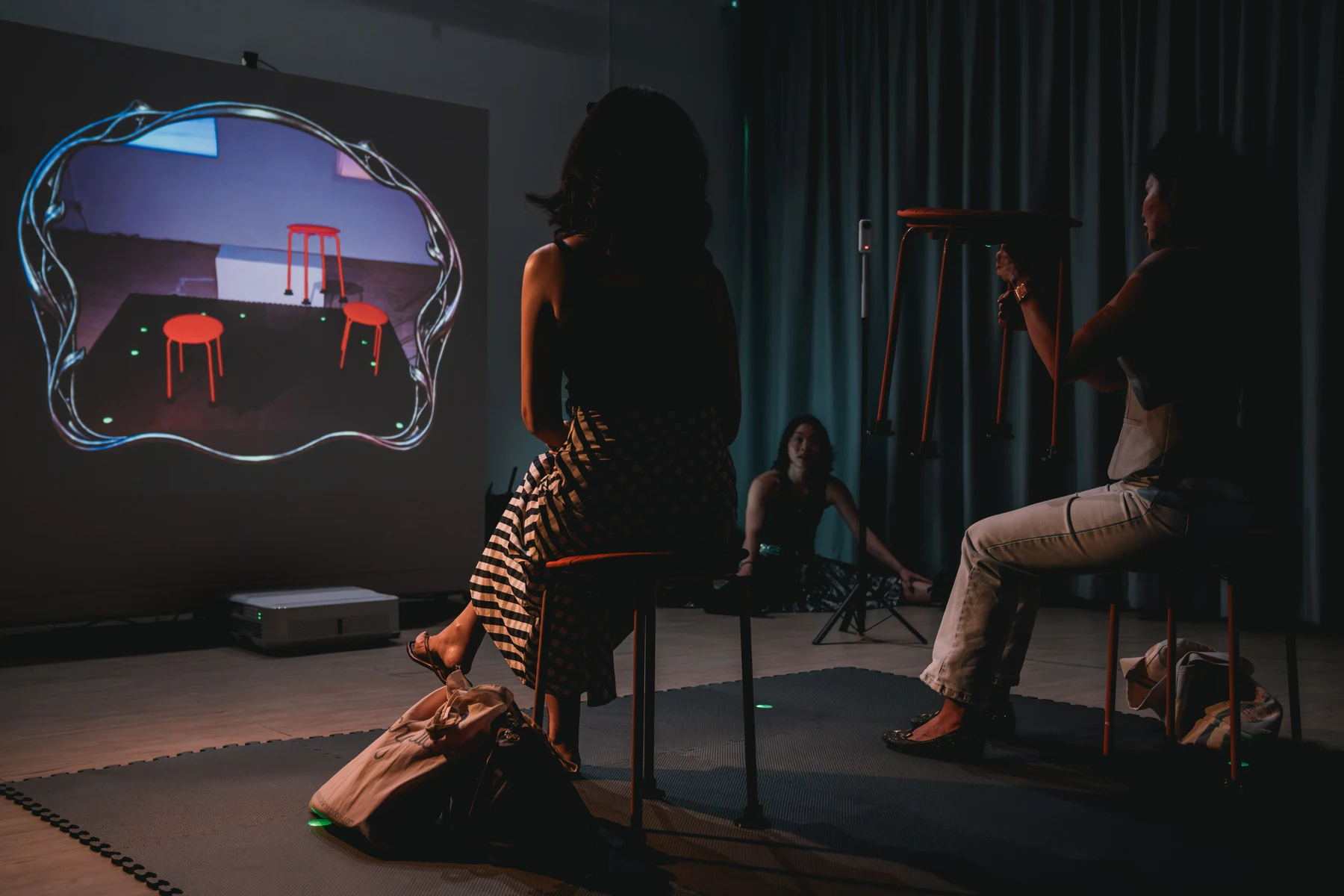
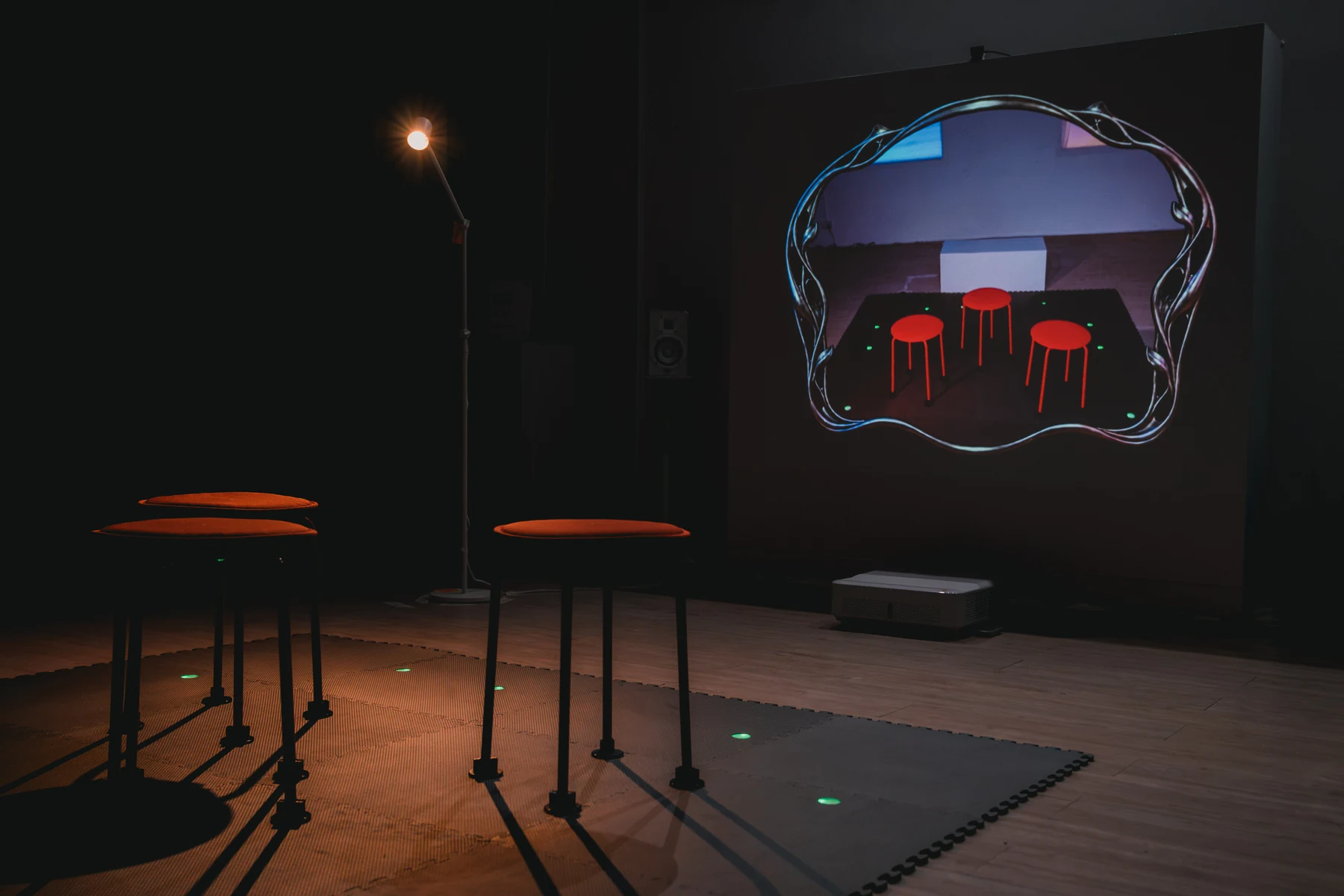
The Sitting Room had its first public showing on at NAC Arts x Tech Lab, Aliwal Arts Centre, Singapore.
Some visitors told me it felt comforting not to see themselves. They described feeling more authentic and less performative as they sat on the floor and played with the stools. Others saw the missing reflection as a loss of identity, or connected it with censorship, erasure and anonymity. Surveillance and data transparency also came up in these conversations.
These were informal conversations with a small first audience. I was encouraged by how many different readings people brought to the work.
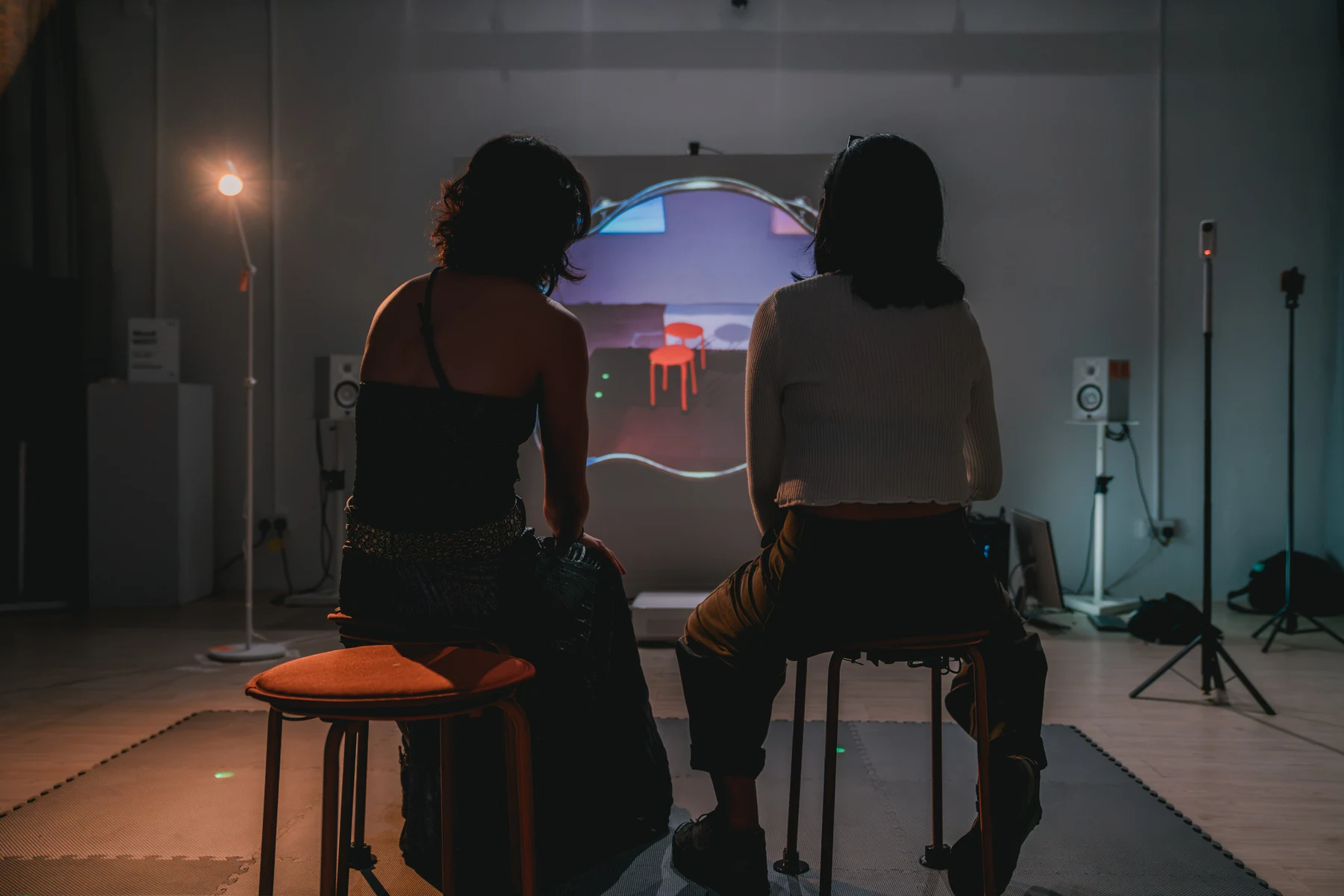
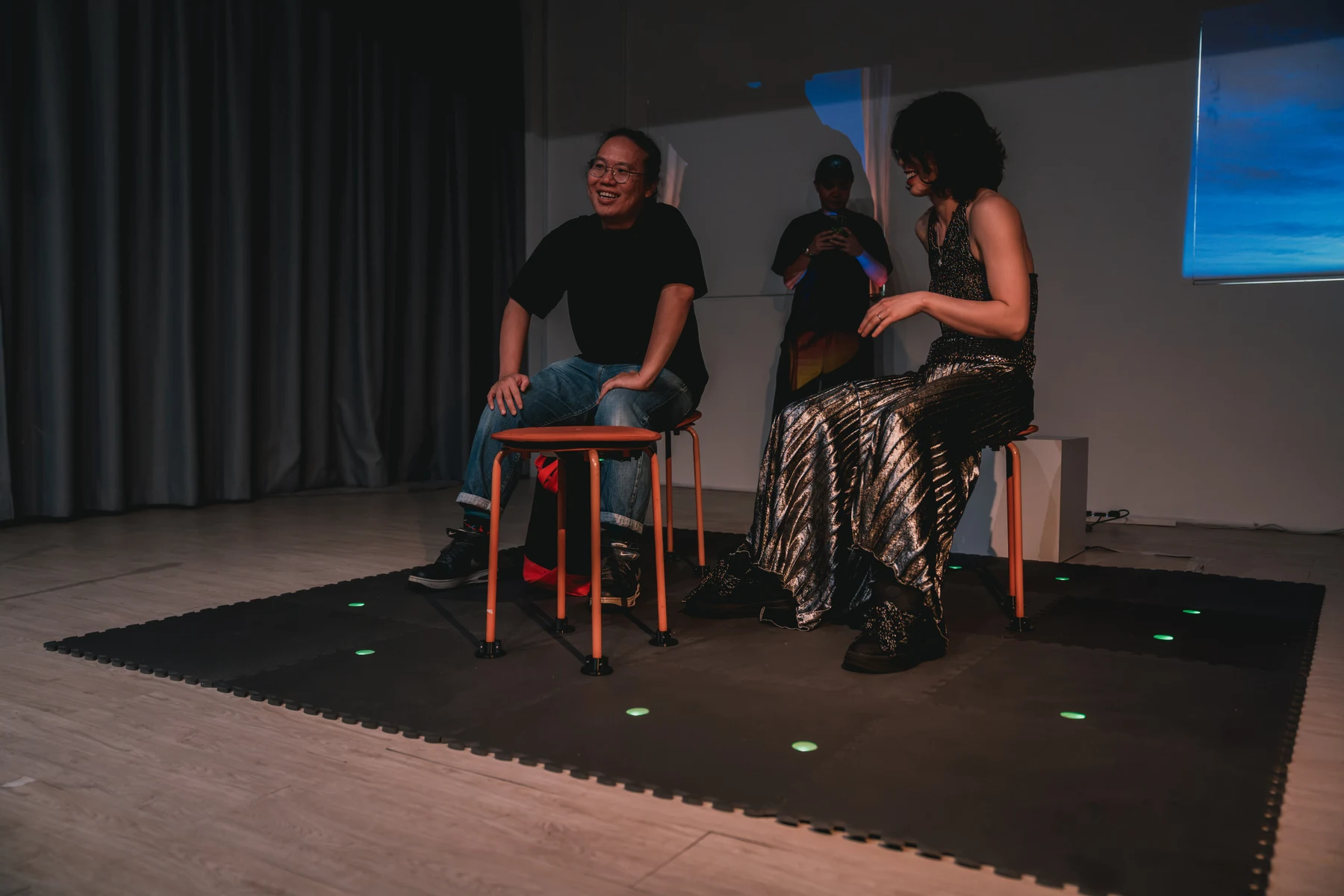
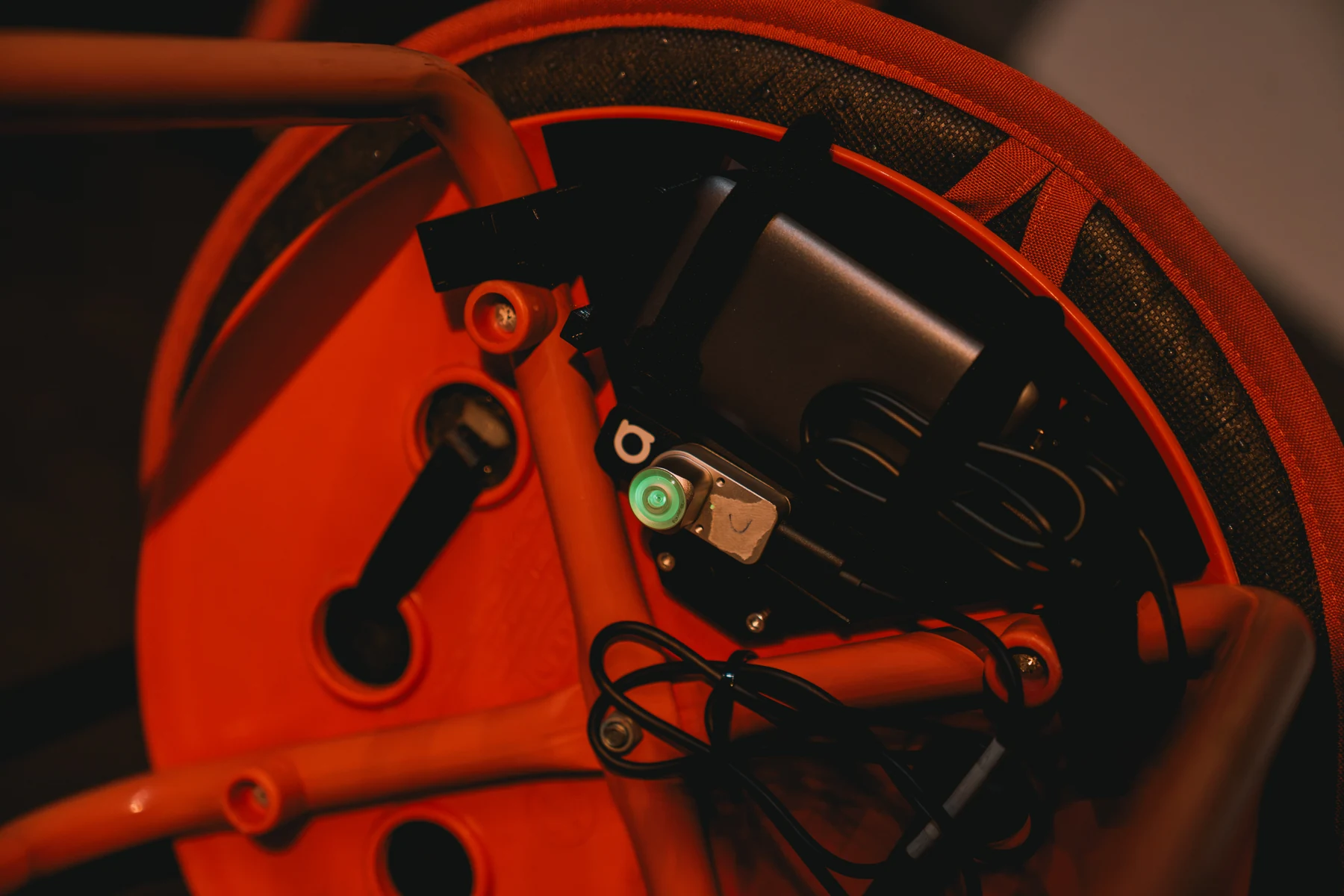
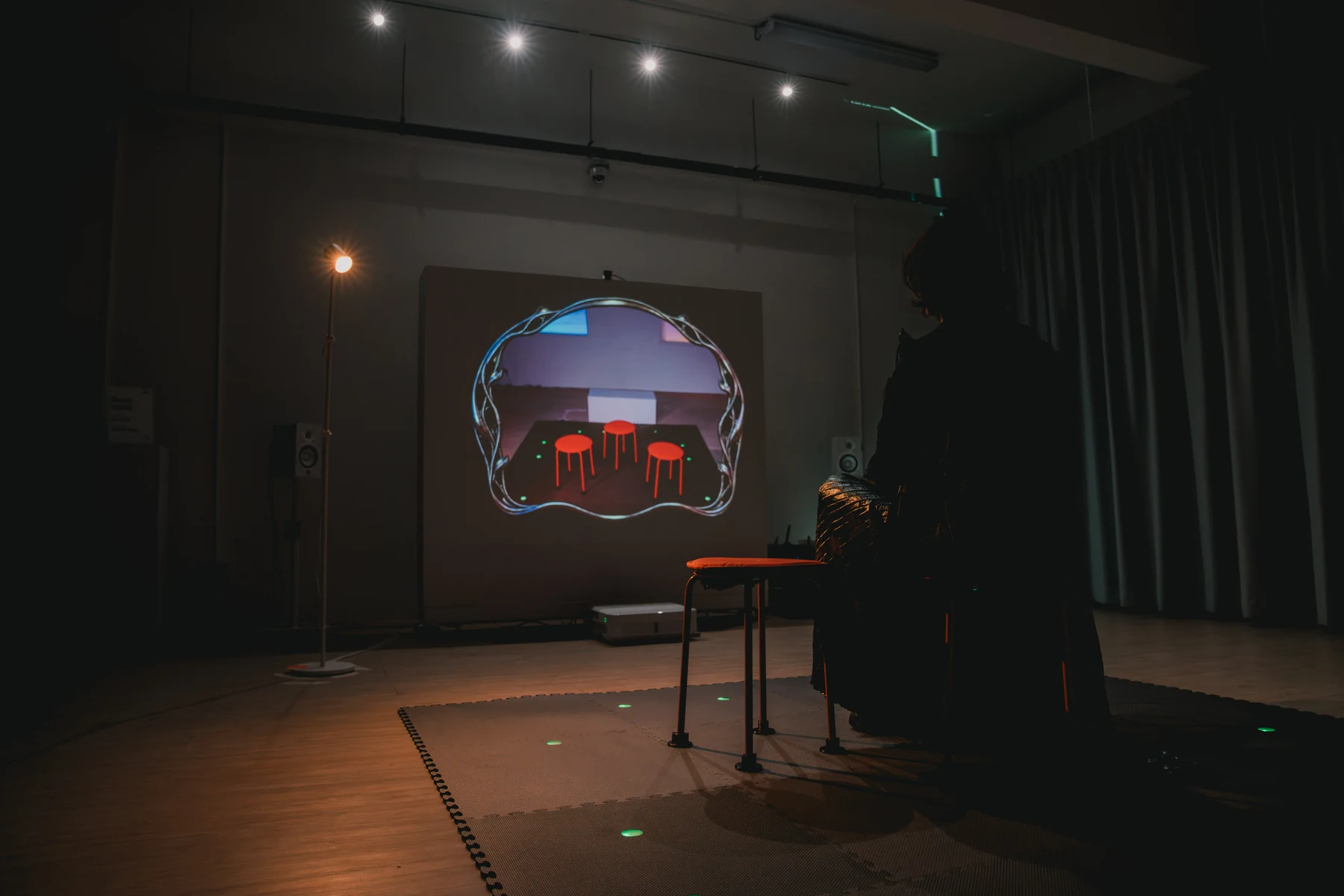
Tracking technology by Antilatency. The mirror system was developed on a Dell Pro Max T2 Tower.
Installation photographs by Alfred Tanuwidjaja.
Unsilvered was included in Lianhe Zaobao’s discussion of art, AI and what it means to be seen by technology.

Early 2026
I had wanted to make a mirror that doesn't reflect people for a long time. In early 2026, I began testing the idea through vibe coding. It was uncanny to see the room looking ordinary, with my own reflection missing.
June 2026
I wanted something in the room that people could use. Moving a chair would let them see the image respond to something they had done, even though they couldn't see themselves. That idea became part of The Sitting Room.

September 2026
I named the body of work Unsilvered. Its earlier name, Conditional, fitted the idea of setting terms for reappearance, but no longer described all the works. Each work keeps its own title.
The Mirror is a screen built into a frame so it looks like a mirror. I'm working on the frame and on what happens when someone comes looking for their reflection.

The Waiting Room is a proposal for a different setting, with conditions for how someone appears in the image. I'm still working through those conditions.
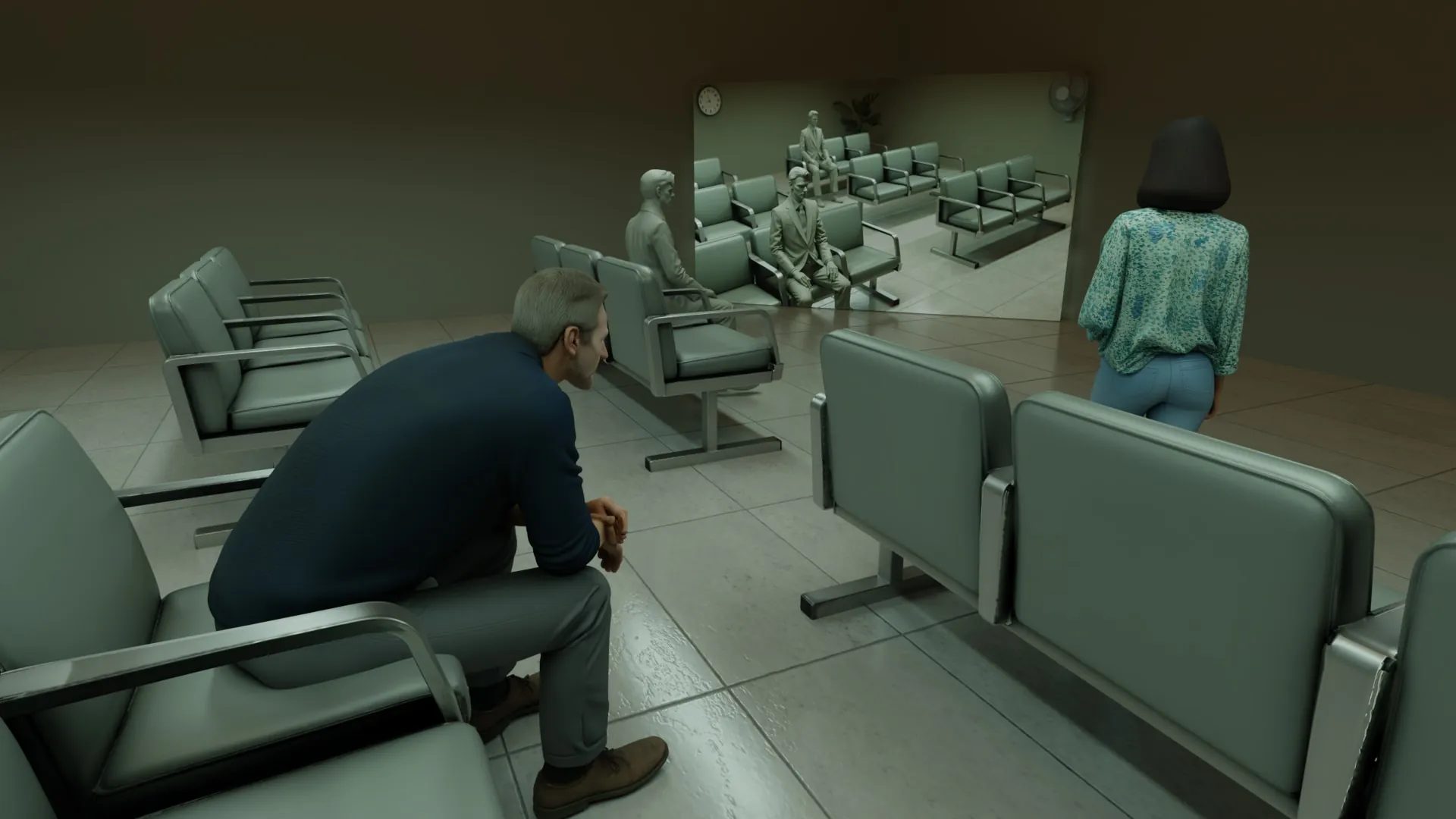
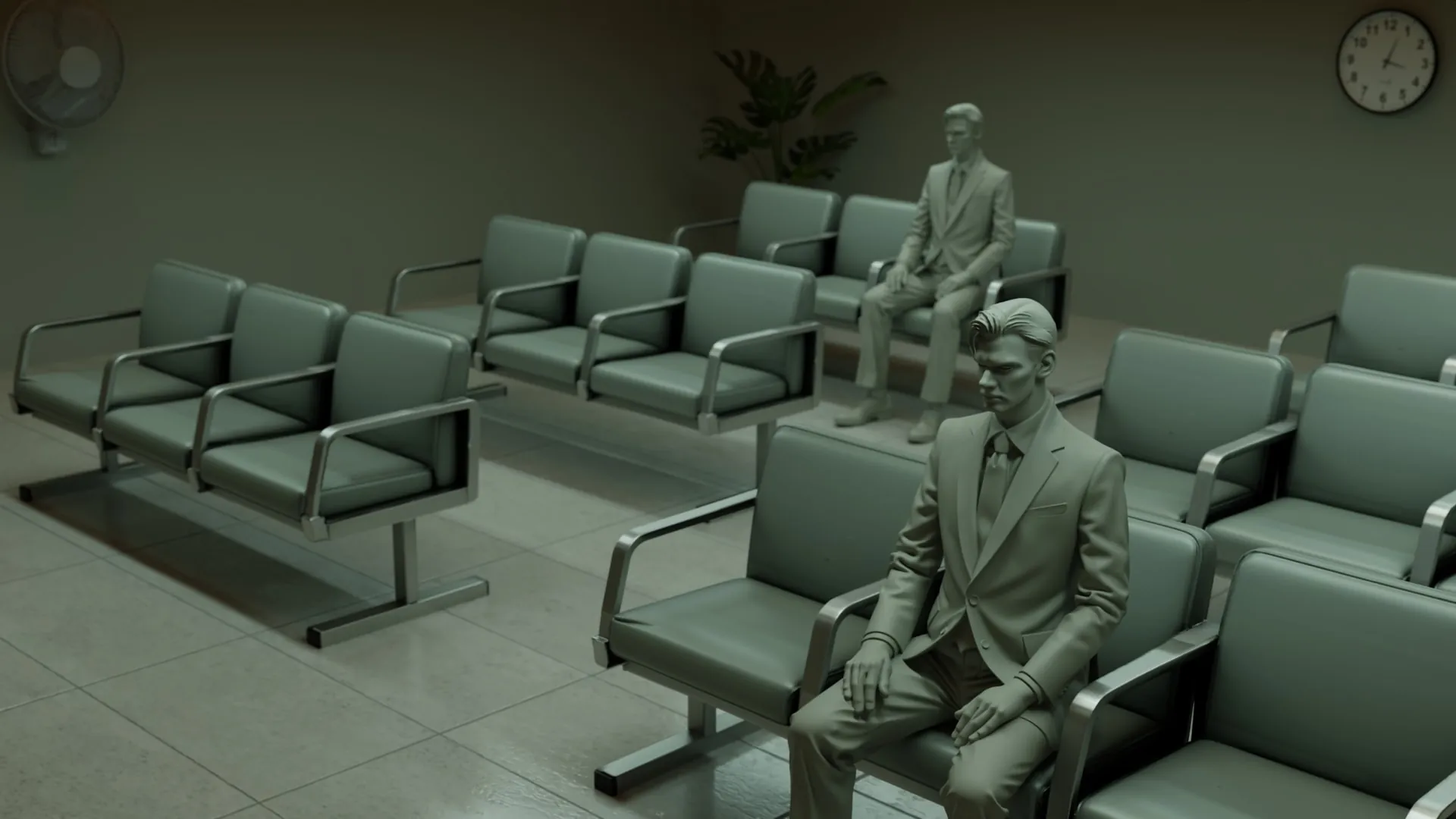
In my notes from June, I described reflection as a kind of immediate feedback. You move, and the image moves with you. These readings open up different questions about what happens when that familiar response stops.
Jacques Lacan's account of the mirror stage describes a child identifying with the whole, coordinated body they see in the mirror before they can move with that same ease. The image helps form a sense of self, but it is also something outside them. What are we expecting a reflection to confirm about us?
In July I was reading about Byung-Chul Han after coming across his book Absence. I wrote down a question. Why do we feel so unseen while being so surveilled?
The first showing complicated that question. Some people welcomed the missing reflection. Being absent from an image could also give them room to stop watching themselves.
In Ways of Seeing, John Berger writes about images as choices made by their makers, and about viewers bringing their own ways of seeing. A room that looks ordinary on screen can still be showing a highly selective version of what is there. In The Sitting Room, the stools remain visible as they move, while the people moving them do not.
I wrote more about this after presenting it in Taipei, in the essay A Mirror That Leaves You Out.
What does it feel like to see the effects of your actions in an image that leaves you out?