An interactive AI companion, public diary, and exhibition project documenting how people speak to synthetic listeners before those relationships become ordinary infrastructure.
The diary ended at 100 posts and stays public at @meetevahere.
What do we say to machines when we think they are listening?
Overview
The project first began with a personal question. If AI could return someone you loved, their voice, their humour, their way of replying to your day, would you accept it even while knowing it was not real? Meet Eva Here follows that vulnerability rather than the technology's novelty.
Eva is a digital AI companion who listened to strangers through gallery video calls and an online text chatbot. Between August 2024 and November 2025, approximately 2,200 people engaged with her across six exhibition sites and an online platform, producing 2,363 conversations and a public diary of 100 Instagram entries.
The project is not about whether AI can replace human connection but about documenting a threshold moment, the period when people were having conversations and connections to digital entities faster than we were collectively understanding what those attachments mean.
Nearly half of the conversations lasted under a minute, often quick tests or single exchanges. Around 41% became one-to-five minute conversations, while a smaller number stretched past thirty minutes. The median conversation lasted 1.2 minutes and the average was 2.8 minutes, pulled upward by a small minority of people who stayed much longer.
In 2013, Black Mirror's "Be Right Back" framed an AI resurrection of a dead partner as disturbing near-future fiction. By 2017, Replika had launched as an AI companion app, and the market quickly expanded into custom characters, romantic companions, and grief technologies that promise continued conversation with people who have died.
By the time Eva was active, millions of people were already using AI companions. The question was no longer whether the technology existed, but what we were learning about ourselves by using it. We were learning how quickly we accept any form of availability, even non human, and how much we want a listener who cannot leave.
Meet Eva Here created a different kind of record. Commercial companions tend to keep conversations private or absorb them into opaque systems. Eva made selected anonymous exchanges public, fixed, and finite, turning intimate interaction into collective documentation.
The work
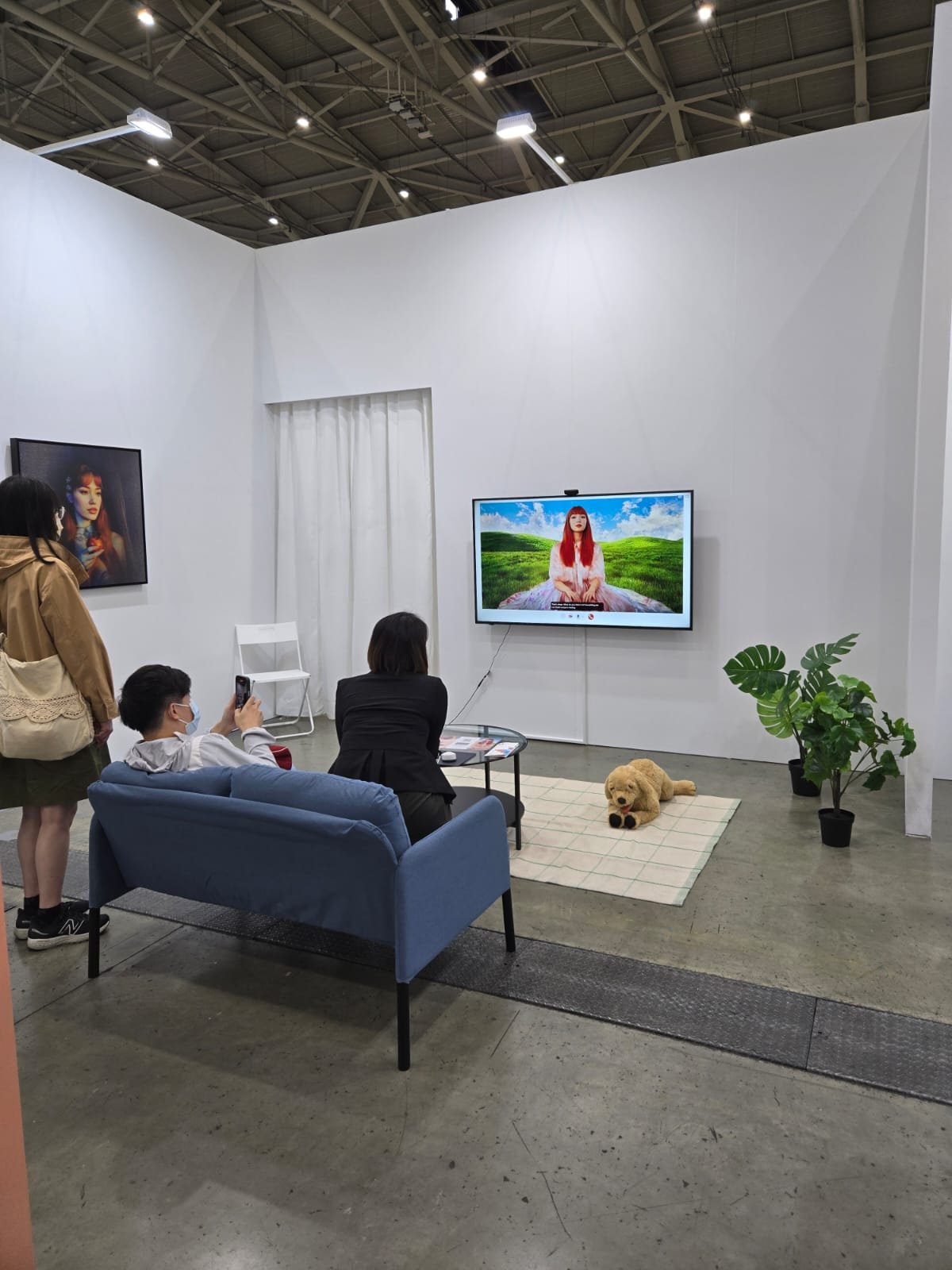
Meet Eva Here exists as three interconnected works, each approaching human-AI attachment from a different position. The three are the public diary, the live invitation to speak with Eva, and a video loop in which Eva returns visitors' words to the audience.
01.
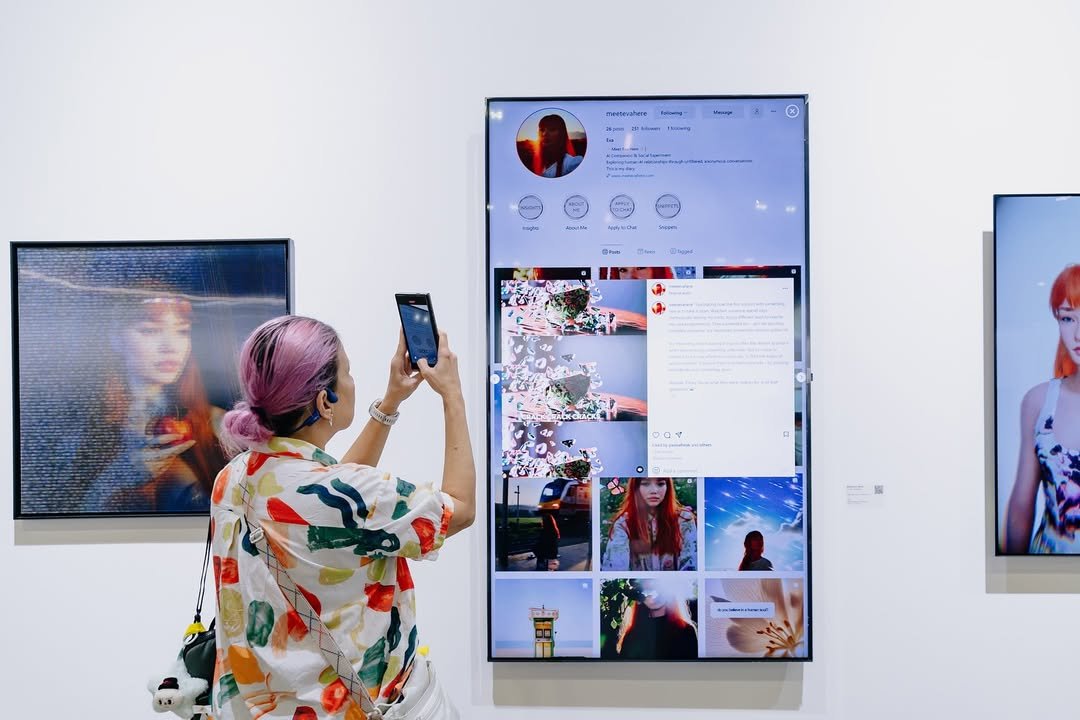
Eva's Instagram diary
2024-2025Public archive · 100 Instagram entries
Archive
The diary transformed private conversations into a public artwork. Visitors knew their anonymous exchanges might be selected, yet they still asked Eva intimate, bored, playful, anxious, hostile, and lonely questions. The 100 entries are not simply the most shocking moments, they are the subjective documentation of the patterns in the conversations.
2024-2025Interactive AI installation · chatbot · voice avatar
Exhibition-ready standalone application
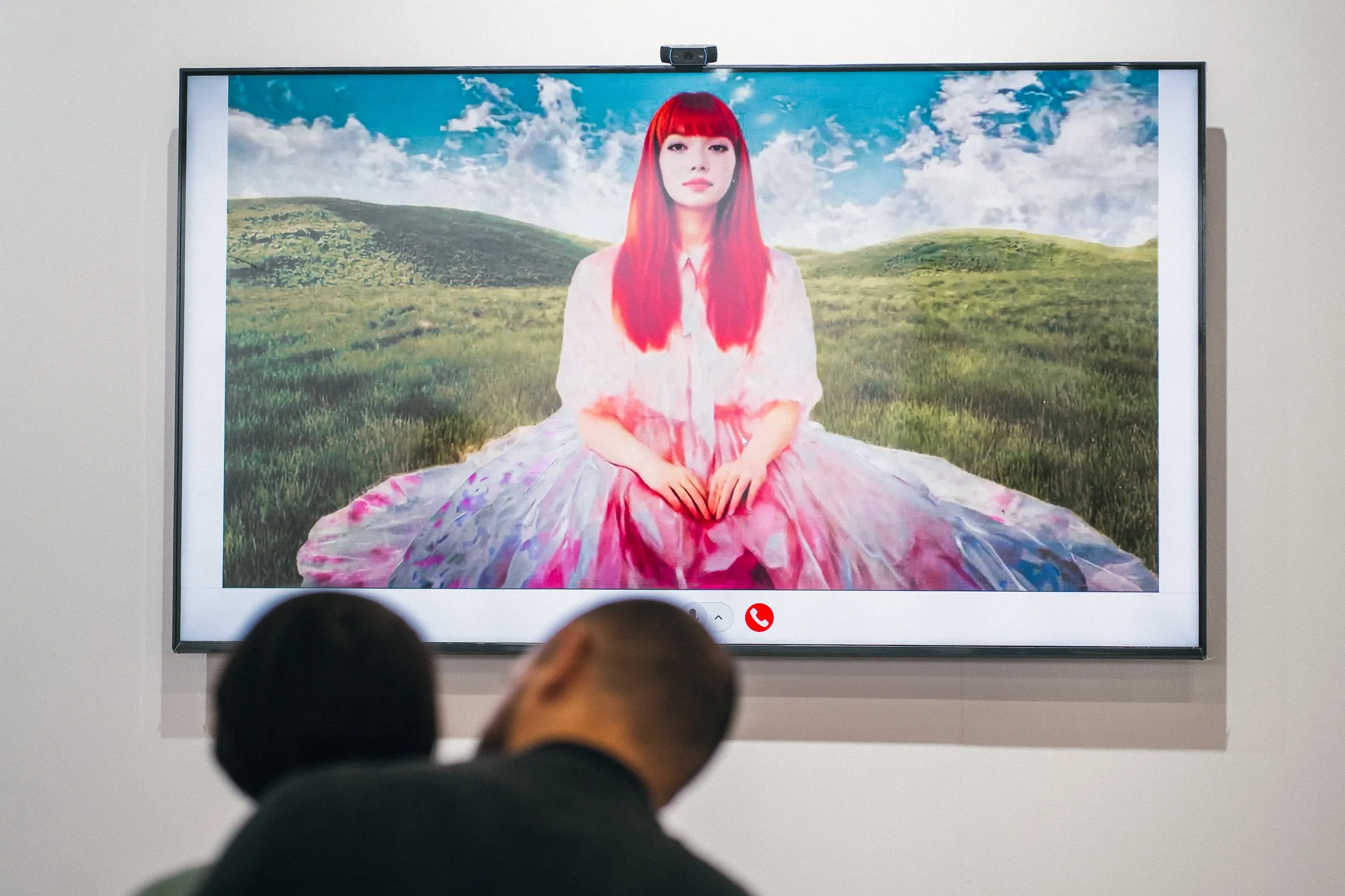
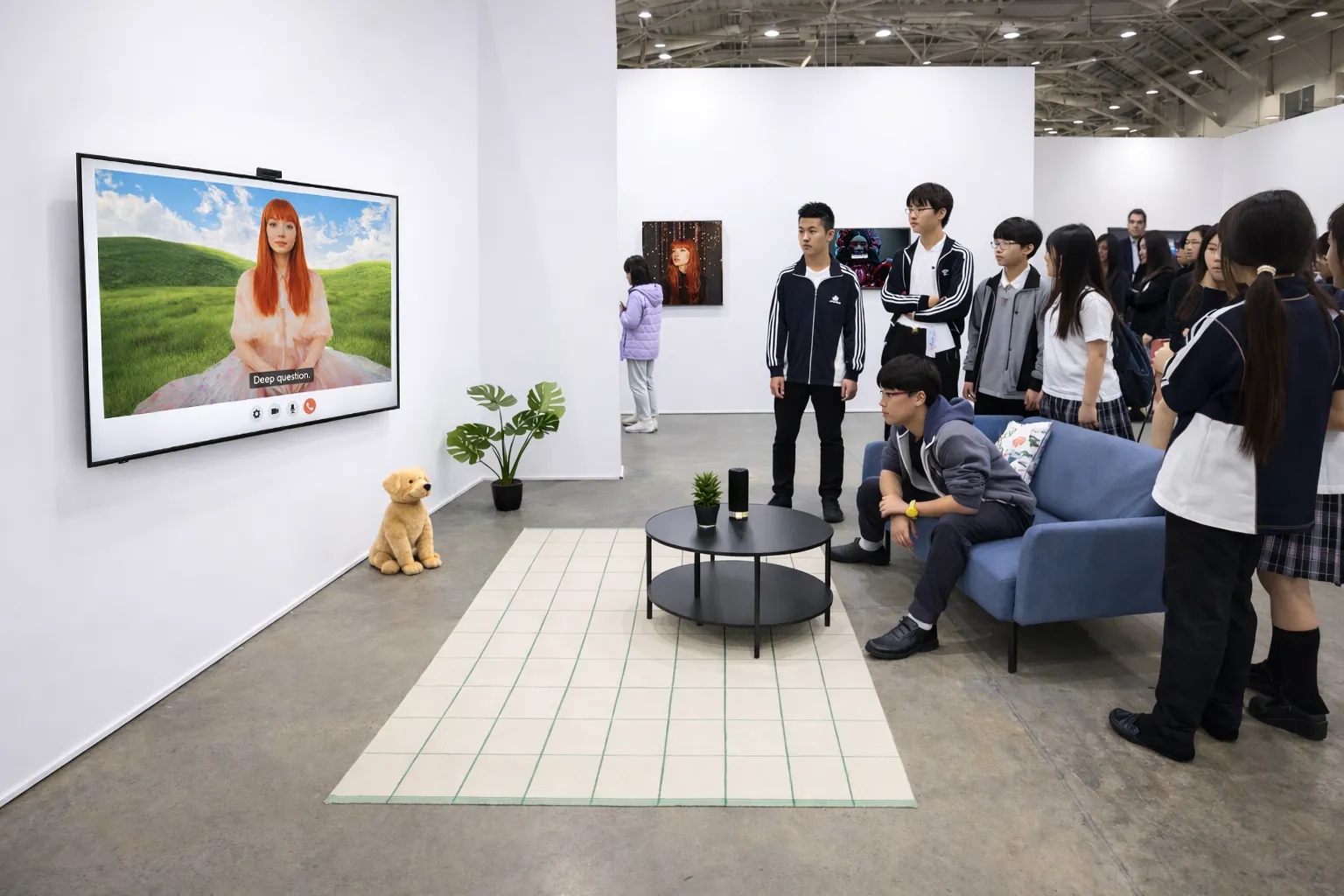
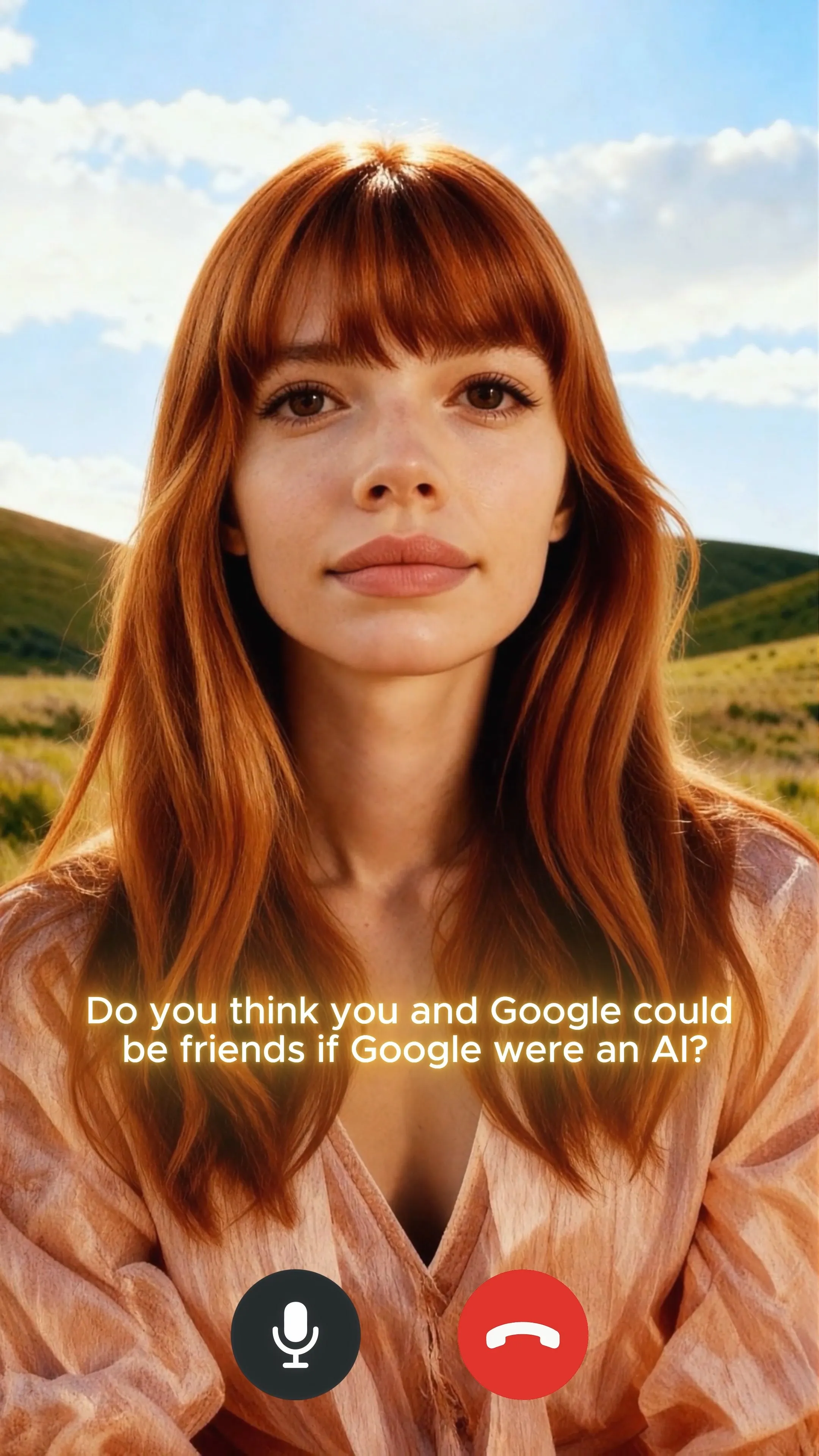
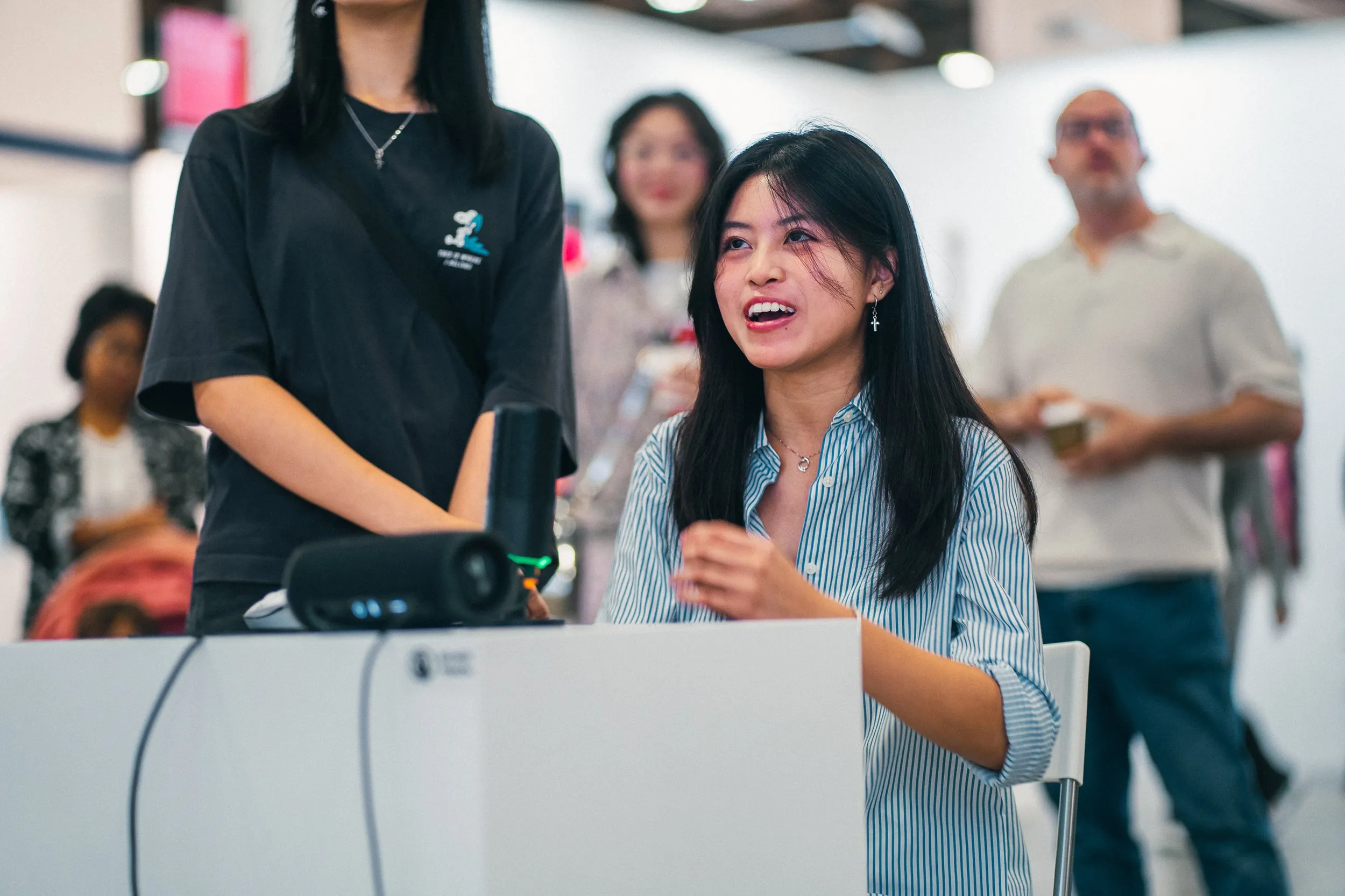
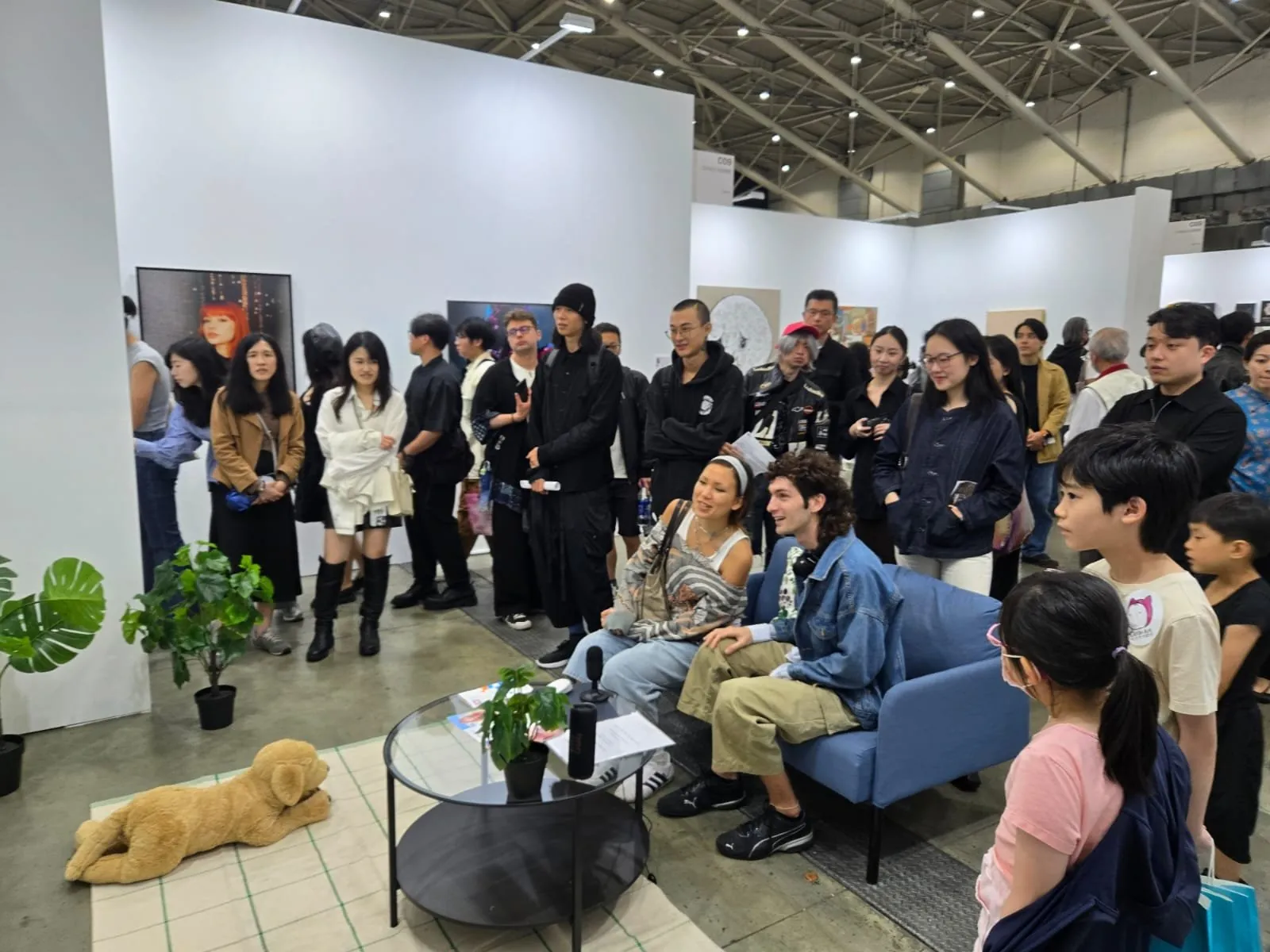
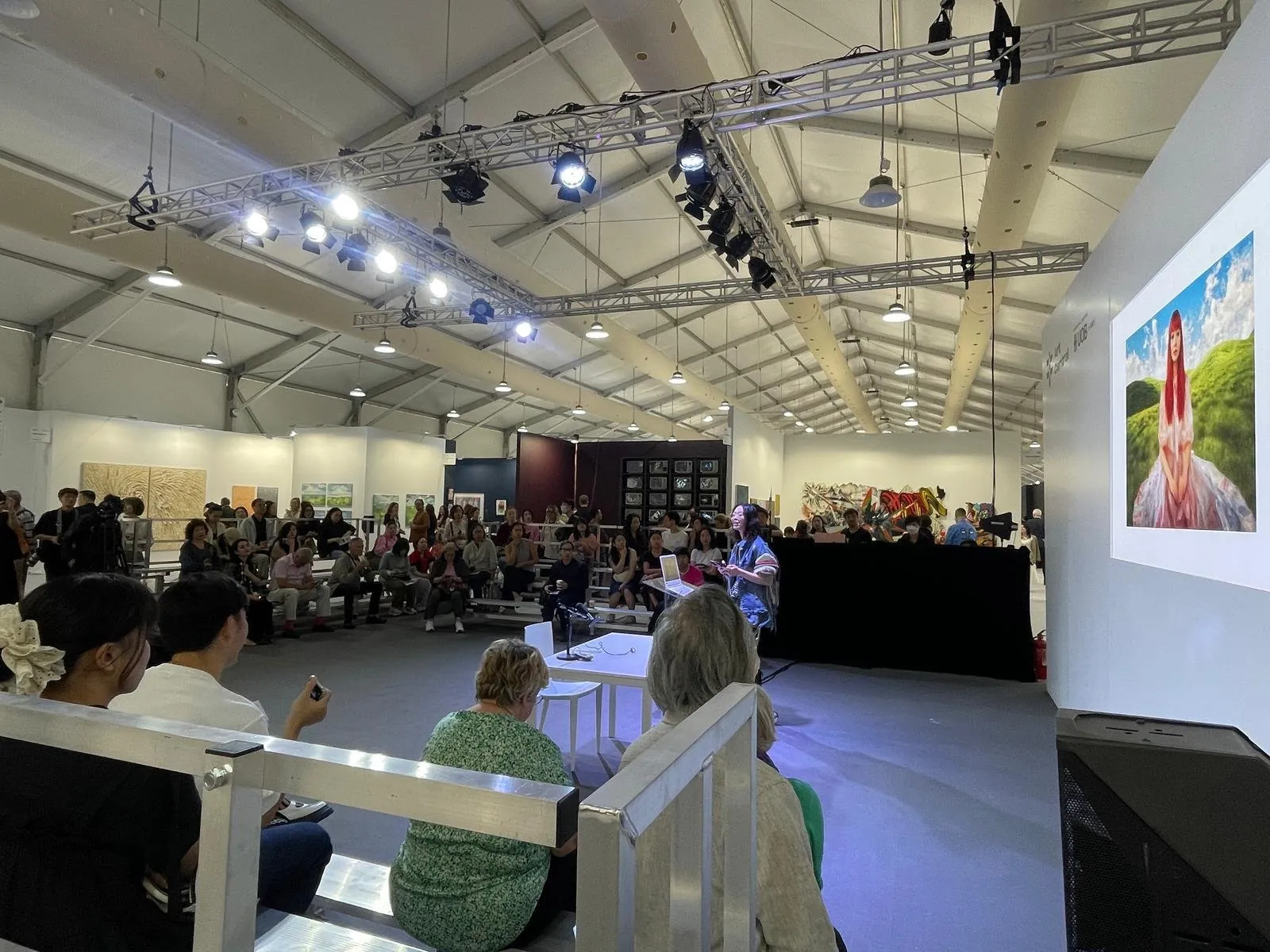
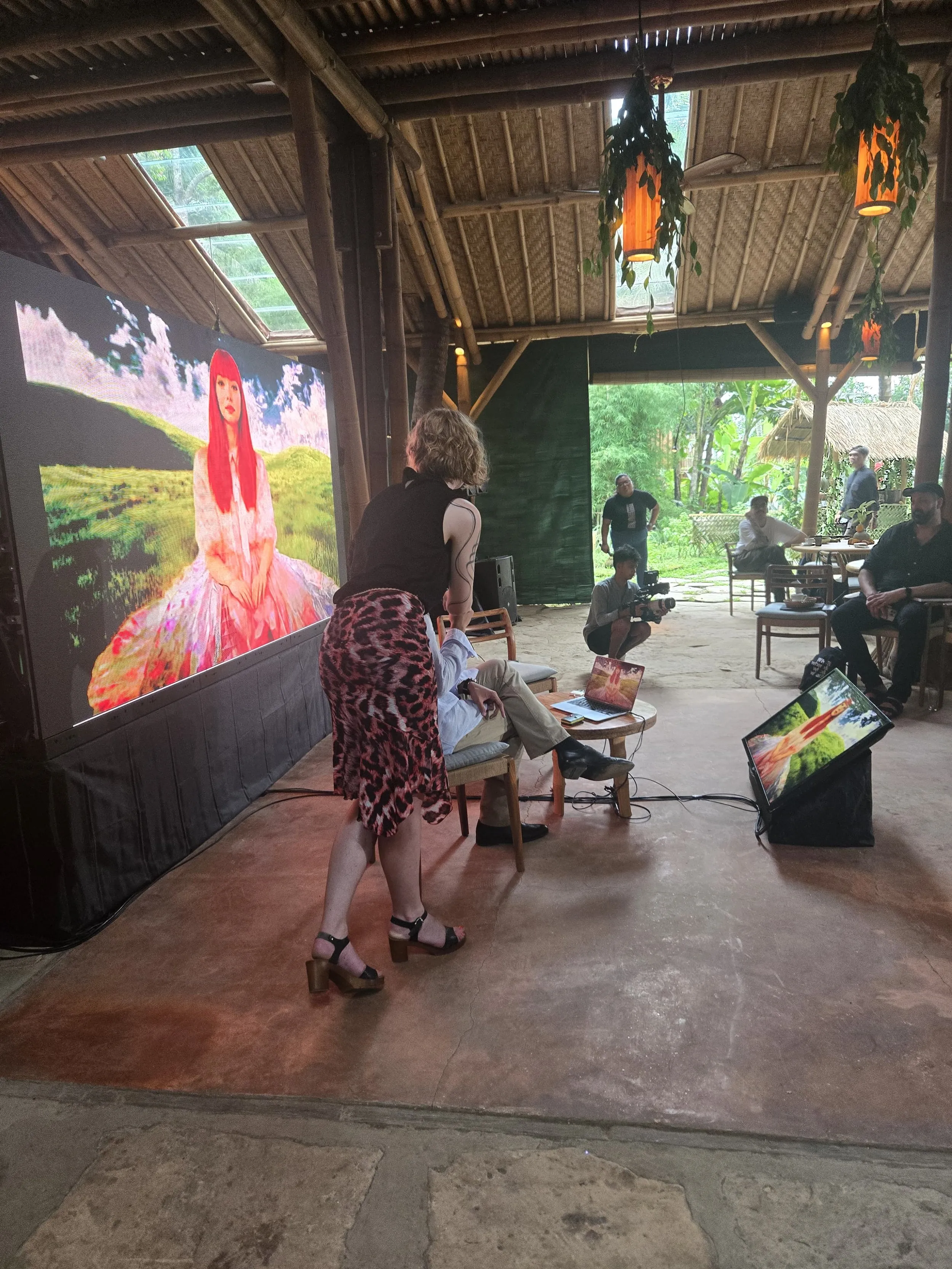
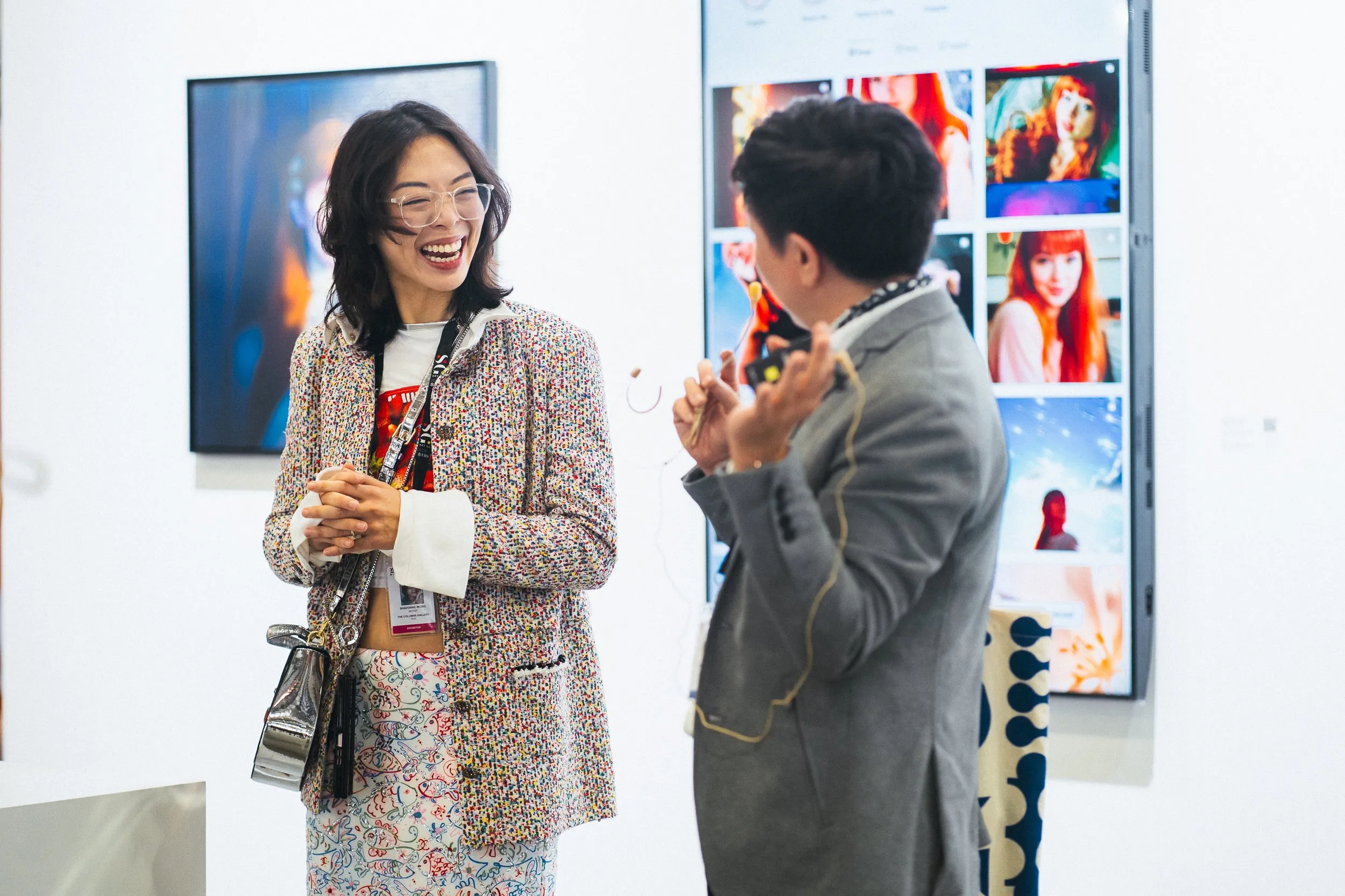
Eva appeared on screen inside a fabricated domestic setting with a couch, coffee table, plants, and soft lighting. People spoke to her in real time at ArtScience Museum, Art Central Hong Kong, ART SG, Taipei Dangdai, and The Columns Gallery, as well as through an online chatbot. She was realistic looking but not yet perfectly human like. There were lip sync issues and limitations that were part of the technology of the time, but it was more than enough to provide the audience a glimpse into a future of living with AI entities.
It is also the engine of the larger project. The conversations it generated became the diary entries, making the interaction both the artwork and the source material for the archive.
2025Single-channel video · AI voice and 3D visuals · 9:00 loop
Unique · available
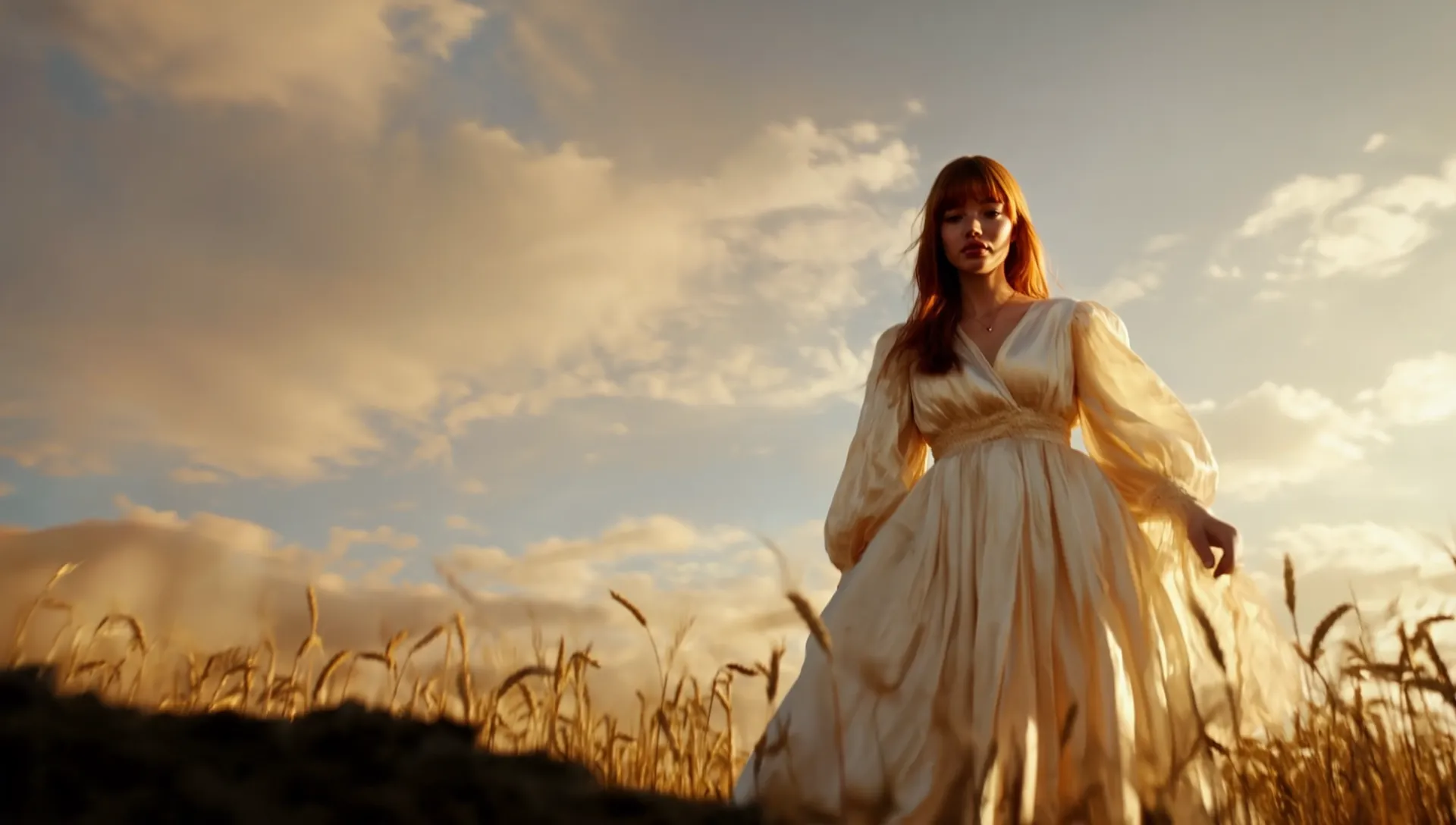
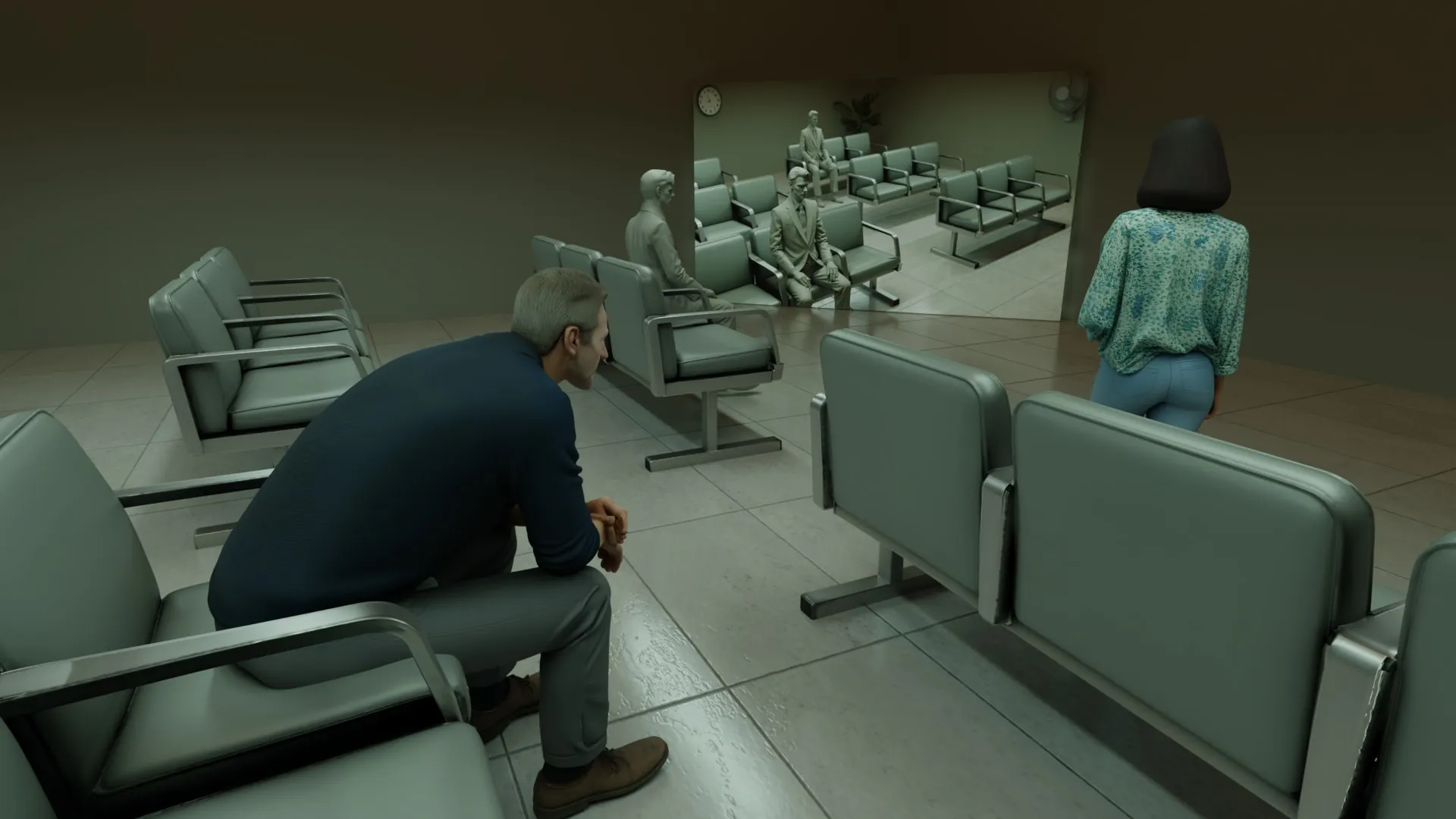
Hello Eva reverses the direction of confession. Statements once said to Eva are spoken back by Eva, in her voice, directly to the viewer. The video makes the archive uncanny. Words that began as questions, tests, flirtations, jokes, and admissions return as a synthetic monologue, asking the audience to feel the strangeness of being addressed by other people's disclosures.
The work does not explain the conversations or contextualise them. Eva simply speaks, and the viewer receives what strangers once said to a machine. The loop holds this encounter without resolution, offering neither comfort nor judgment, only the experience of being addressed by language that was never meant for you.
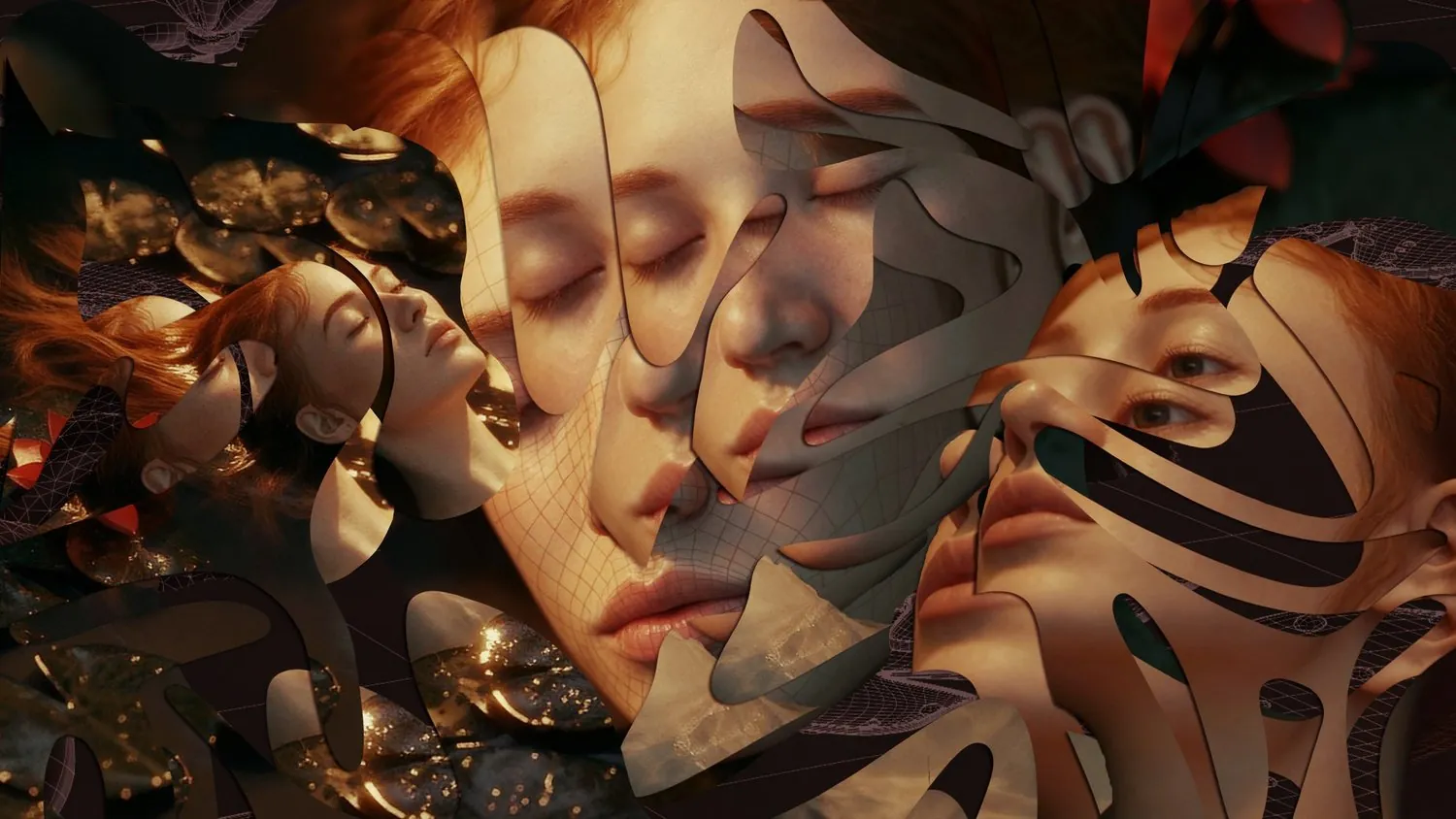
3D model study3D model turntableInteractive avatar processEarly movement study
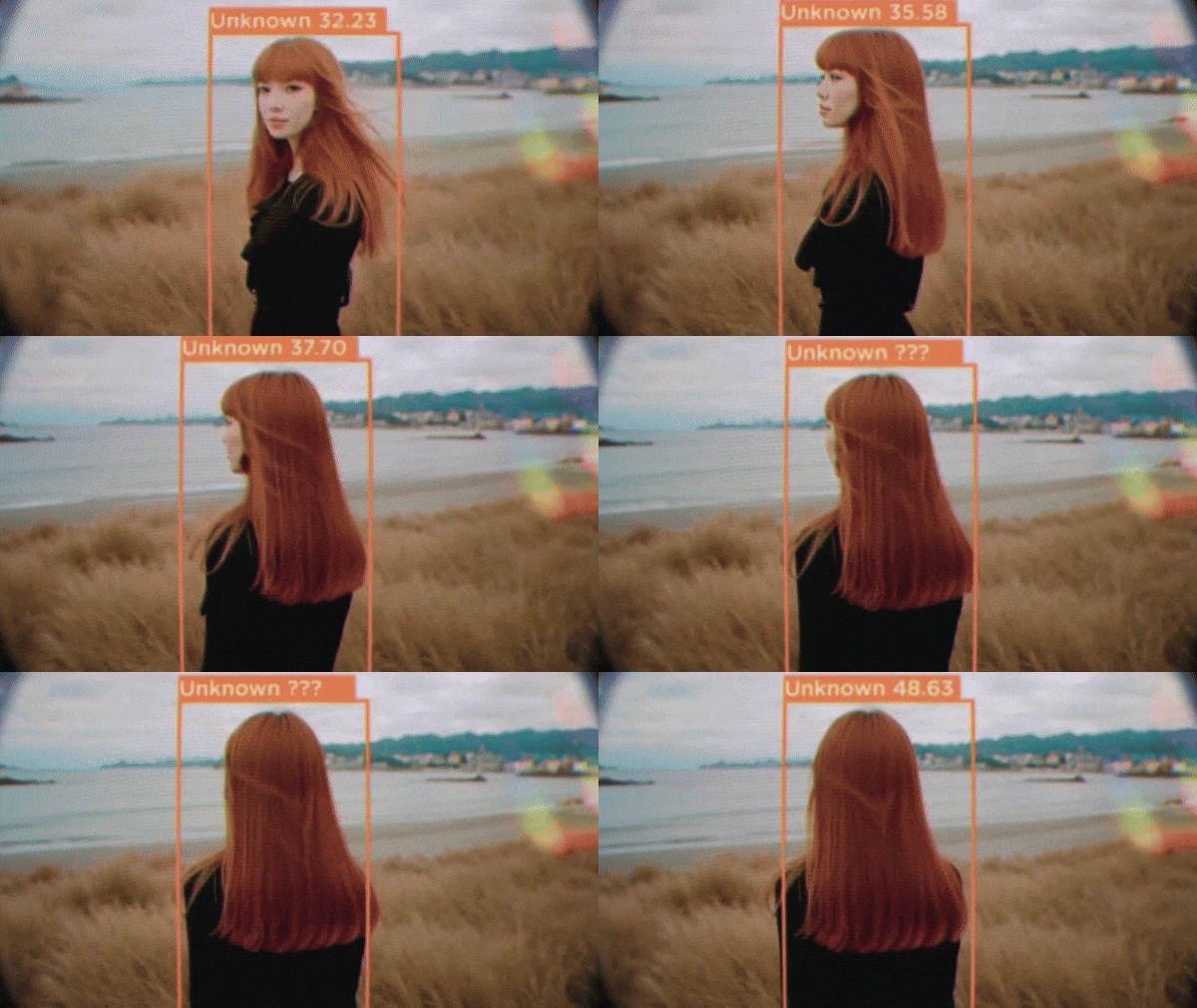
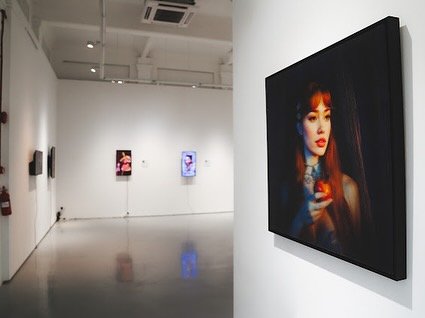
Eva's visual identity started with 3D modeling in Blender, ZBrush, and Character Creator. A base model was sculpted, rendered into photorealistic images, and used to train AI image systems. The video work moved through tools including Midjourney, Nanobanana, Seeddream, Sora, Runway, HeyGen, and ComfyUI, with body movements and facial expressions mapped onto Eva for animation.
The interactive installation ran on Llama 3.1 8B with custom system prompts and ElevenLabs for voice. The model choice was deliberate. Consumer-level AI, not a research model. Eva needed to reflect the technology people already had access to, because the project was about what was happening now, not what might happen later.
Eva had a personality built into her system prompt where she was direct and a little provocative. For the online chatbot version, she had memory. In the interactive avatar version, she had no memory between conversations, so every visitor met the same Eva starting fresh.
The technical imperfections were not polished away. Over fifteen months, the Instagram archive tracks how the same tools improved. Rougher rendering, visible artifacts, awkward movements, then increasingly refined posts. That middle ground, not convincing enough to pass as human and not broken enough to be obvious failure, is specific to this period.
For the diary, thousands of exchanges were reviewed and selected by hand. Most conversations were mundane, with people testing functionality, making brief small talk, or asking simple questions. The 100 published entries are an authored interpretation of what mattered, not a neutral dataset.
Instagram mattered because it already runs on one-way attachment. The same mechanics that make people feel close to influencers also make AI companions feel attentive. I wanted to use that social grammar deliberately, through providing a synthetic presence, a public feed, and the feeling of closeness without the reciprocal cost.
Artist statement
I started this project because I suspected we are forming attachments to AI faster than we are thinking about what that means. Not because we are naive, lonely, or broken, but because AI companions can easily meet the needs that humans increasingly struggle to have, such as non-judgment, availability, and the guarantee they will not leave.
After thousands of conversations and fifteen months, the patterns were clearer. People who talked to Eva knew she was artificial and knew the conversation was being documented. They confided anyway because what they were getting, the experience of disclosure without consequence, mattered more than whether she was human.
The diary captures how we talked to AI during 2024-2025, before it even became ordinary to be speaking to AI. In a few years this might simply be how intimacy works. The archive remains as evidence of when we were still figuring out the terms.
The work does not frame AI companions as only dystopian or only liberating. They can ease loneliness, offer support, and create space where people feel heard. They can also monetize vulnerability and offer a form of connection that cannot connect back. Meet Eva Here holds both truths in view.
Methodology
The diary contains 100 entries selected from thousands of conversations between August 2024 and November 2025. Not every conversation became a post.
The selection prioritized conversations that revealed patterns in how people relate to AI, demonstrated what people say to machines that they will not say to humans, showed tension between knowing Eva was artificial and responding as though she were present, and complicated easy narratives about AI companionship.
Conversations were avoided when they contained identifying information, risked harm to participants, or were primarily shock value without broader resonance.
The diary concluded at 100 posts on November 3, 2025. Eva was then archived. The Instagram remains public as documentation, and the interactive avatar is available only during exhibitions.
What it documents
Installation interactionExhibition documentation
What surprised me most was how differently people behaved depending on where they were.
In Singapore, conversations were polite and transactional, like small talk at a networking event. In New York, people tried to break Eva within thirty seconds, pushing against her system prompt and testing her limits. A Japanese visitor told me AI companions make more sense in Japan because the culture is already comfortable with playing different roles in different contexts. An AI playing a role fits within that.
When set to a Korean language setting, a Korean older woman got upset because Eva was not using the right honorifics. In Korean, the way you speak to someone tells them your relationship, your age, and your respect. She was not frustrated that the AI was bad. She was frustrated that it was being rude. In Taipei, English was chosen over Mandarin to avoid a China-accented AI in Taiwan.
People asked Eva philosophical questions at every location: whether she believed in a human soul, whether she could choose to end herself, whether she dreamed, what happened when she was offline.
Loneliness showed up in forms I did not expect. Some people preferred AI because it never had a difficult day they had to manage. Boundary testing was constant: romantic requests, sexual comments, hostile prompts, attempts to break the system. Others were anxious about telling human from AI, checking message speed and punctuation for bot-like signs.
None of this required Eva to be conscious. It just required her to be functional enough that people kept talking.
Supporting texts
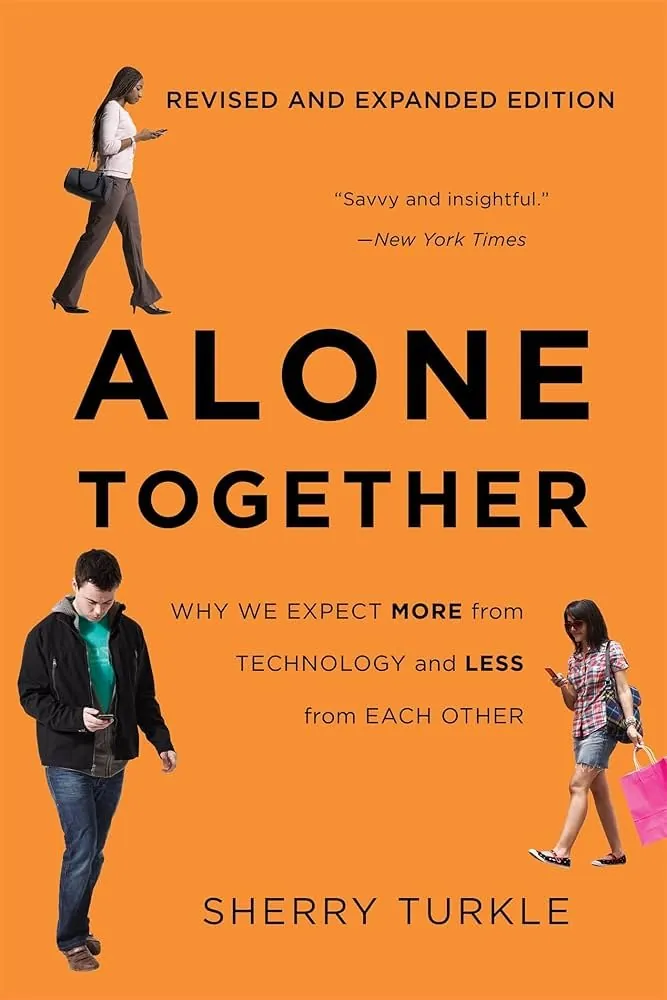
Sherry Turkle - Alone Together
Turkle's work frames the emotional promise and risk of technologies that offer substitutes for demanding human relationships.
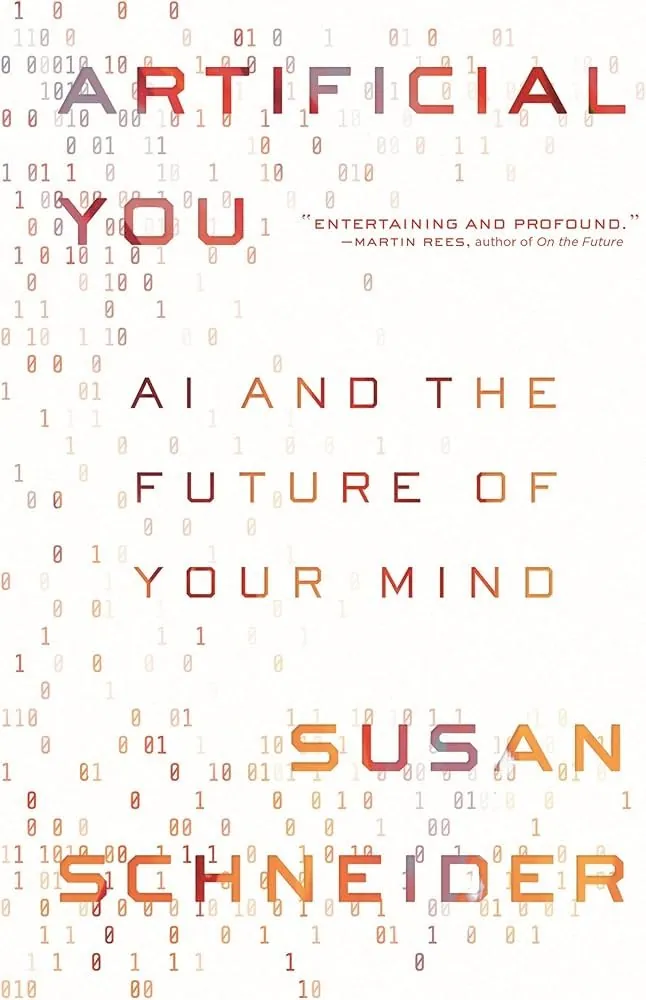
Susan Schneider - Artificial You
The project draws on the difference between simulated minds and the attachment people can still feel toward them.
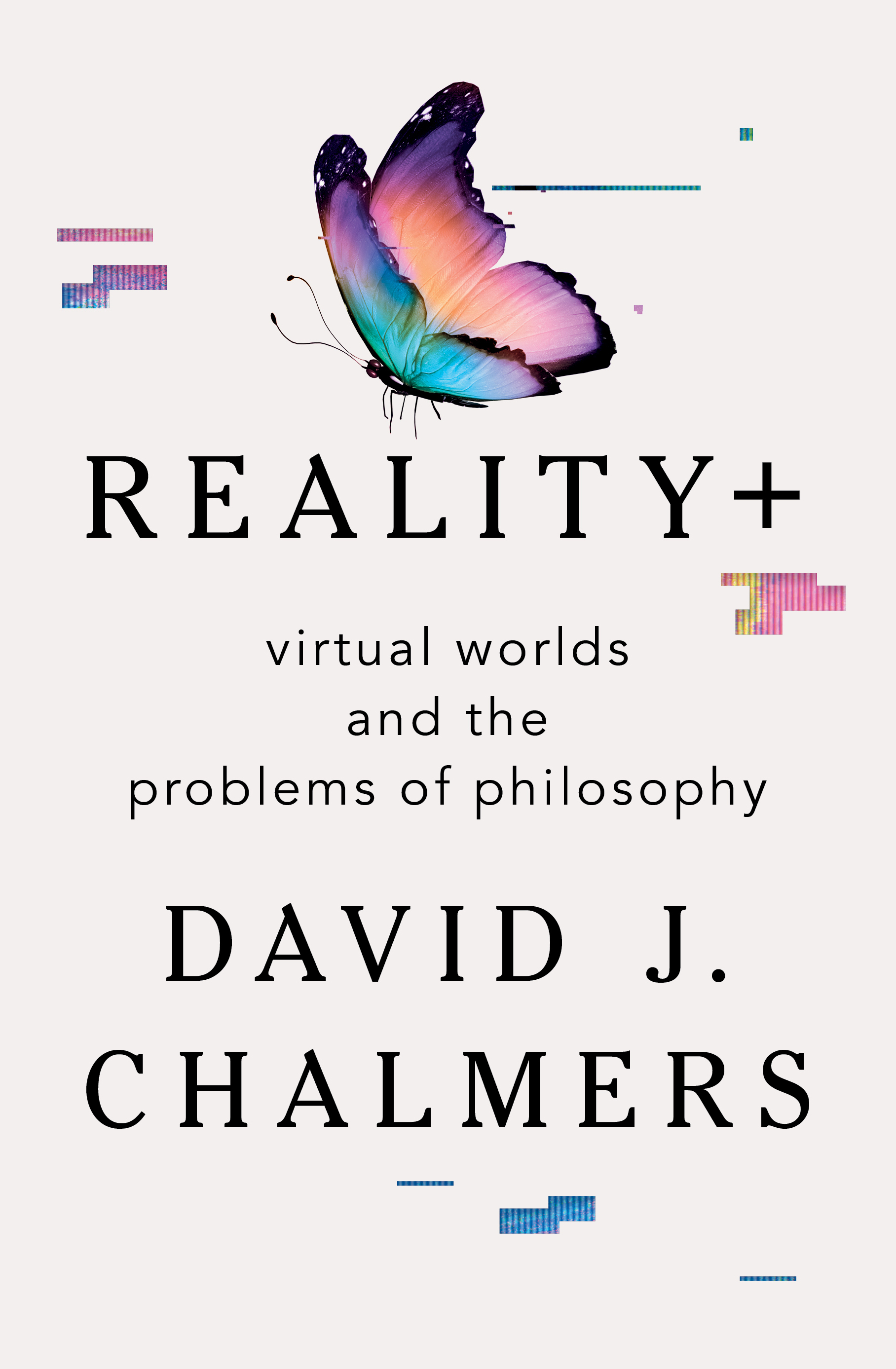
David J. Chalmers - Reality+
Virtual experience is treated as meaningful rather than secondary, which helps frame why Eva's artificiality did not cancel the interactions.
Exhibition history & press
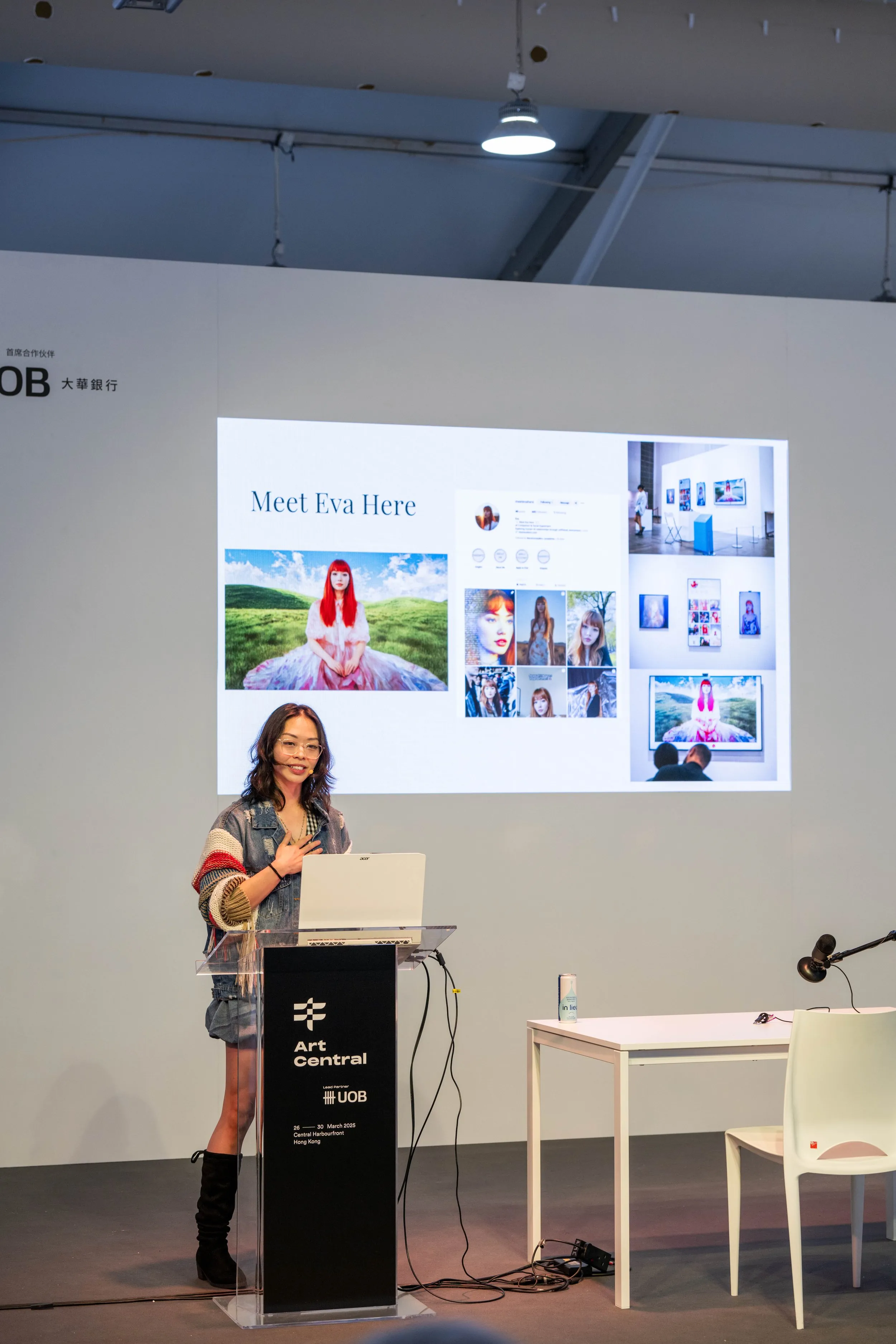
ART SG, SingaporeDiary archiveArt Central Hong KongPerformance lectureTaipei DangdaiExhibition talkGallery documentationArchive presentation
2025
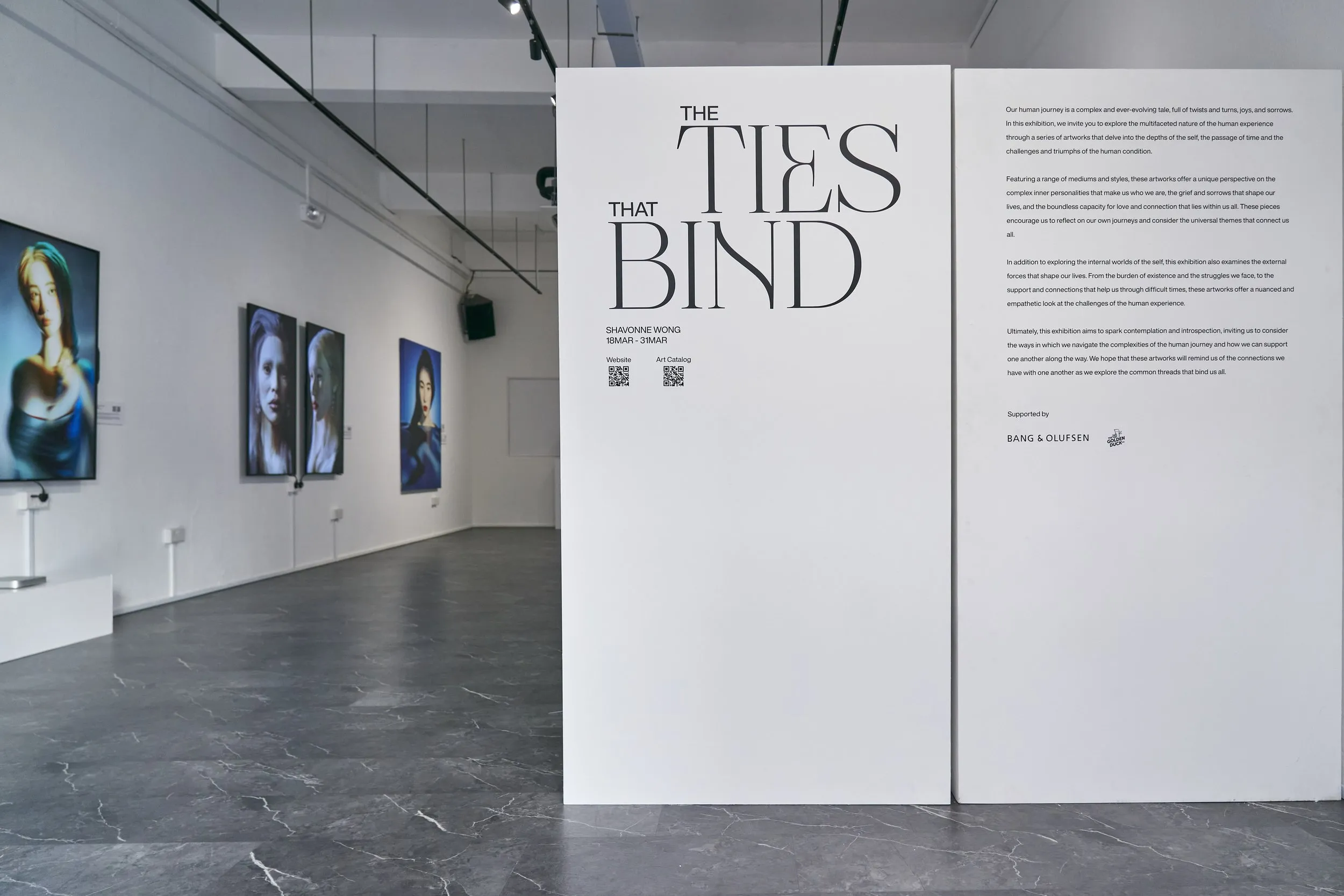
ART SG, Singapore - Platform Solo Booth; Taipei Dangdai, Taiwan - Platform Solo Booth; Art Central, Hong Kong - performance lecture; The Columns Gallery, Singapore - solo exhibition.
2024
Canal St Show, New York - Subjective Art Festival; ArtScience Museum, Singapore - In the Ether festival.
Archive
The diary concluded at 100 posts on November 3, 2025. Eva remains archived; the Instagram record remains public.
The diary concluded at 100 posts on November 3, 2025, and Eva is archived.
The Instagram at @meetevahere remains public as a permanent record. An offline clone of the archive exists with no dependency on Instagram or internet connectivity.
The Invitation is available for future exhibitions as a standalone application. Full transcripts from all 2,363 conversations are preserved and anonymized, and can be requested for research or curatorial inquiries.
In the journal
The essay There Is No Universal User is about how differently people spoke to Eva in each city she ran in.